
Applied taking a 20 percent stake in Besi is a big gesture for the smaller partner, but a relatively modest one for the industry gorilla.
Applied Materials’ announcement that it’s increasing its stake in Besi from 9 to 20 percent isn’t a sign of strength. The move comes at a time when Besi’s position is weakening. The Americans have invested heavily in the relationship and are trying to reassure investors.
Applied’s gesture is largely cosmetic and comes at little cost. For a giant with a market capitalization of 260 billion dollars, a 20 percent stake in a back-end player valued at 13 billion dollars is small beer. The Americans are supporting a partner without taking on many obligations. They’re not taking a seat on Besi’s board.
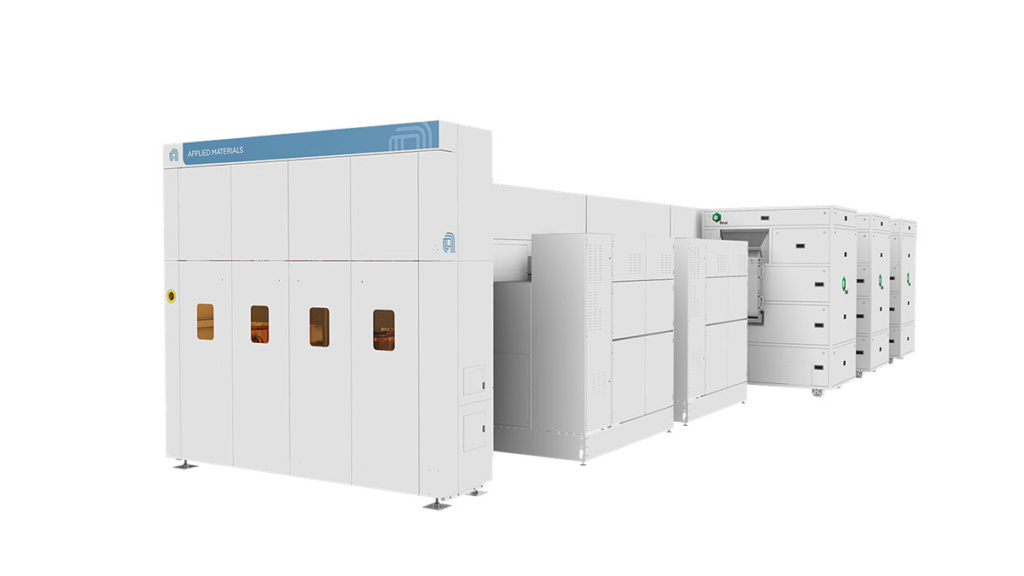
With sixty systems delivered, TSMC is by far Besi’s most important customer. Painfully for Applied Materials, the Taiwanese foundry has yet to show any tangible interest in Kinex, the hybrid bonding production line combining technology from Applied and Besi. It’s an attractive concept but apparently too expensive for the Taiwanese, who have opted for their own solution for production flow and logistics.
Meanwhile, manufacturers of high-bandwidth memory are once again postponing the introduction of hybrid bonding. Largely as a result of delays in this potentially largest market, Besi’s share price has halved since the summer.
K&S also announced a hybrid-bonding machine this year, with the first system scheduled for delivery in early 2027. The Singapore-based back-end equipment maker says it made the move because its customers want “a real alternative” to Besi and Applied.
Besi itself is making frantic efforts to prop up its share price. It launched a new 100-million-euro share buyback program.
Whenever publicly traded technology companies start throwing money around, a legitimate question arises: Have they pulled out all the stops to innovate? In Besi’s case, has it done everything it can to improve its hybrid bonding platform – its biggest growth engine? That’s highly questionable given that a large part of its presumed customer base keeps pushing back the introduction of hybrid bonding in high-volume manufacturing.
When a company in Besi’s position buys back its own shares, it betrays a lack of ideas. A relatively small player facing numerous competitors, many of which have considerably deeper pockets, can ill afford such an attitude. Hybrid bonding calls for substantial long-term investment, not keeping shareholders happy in the short term.
A positive development, however, is Besi’s extensive collaboration at Applied’s Epic research center in Sunnyvale. It encompasses R&D on a wide range of advanced packaging technologies for AI, including thermocompression bonding (TCB) and co-packaged optics.
Applied taking a 20 percent stake in Besi is a big gesture for the smaller partner, but a relatively modest one for the industry gorilla. Reaffirming the Kinex partnership matters, of course. But in the hard-nosed world of semiconductor manufacturing, the Americans will be equally happy to supply their CMP and plasma processing equipment to chipmakers that prefer hybrid-bonding machines from the likes of ASMPT, K&S or any of the many other players, or turn to them as second sources.
Top image credit: Applied Materials