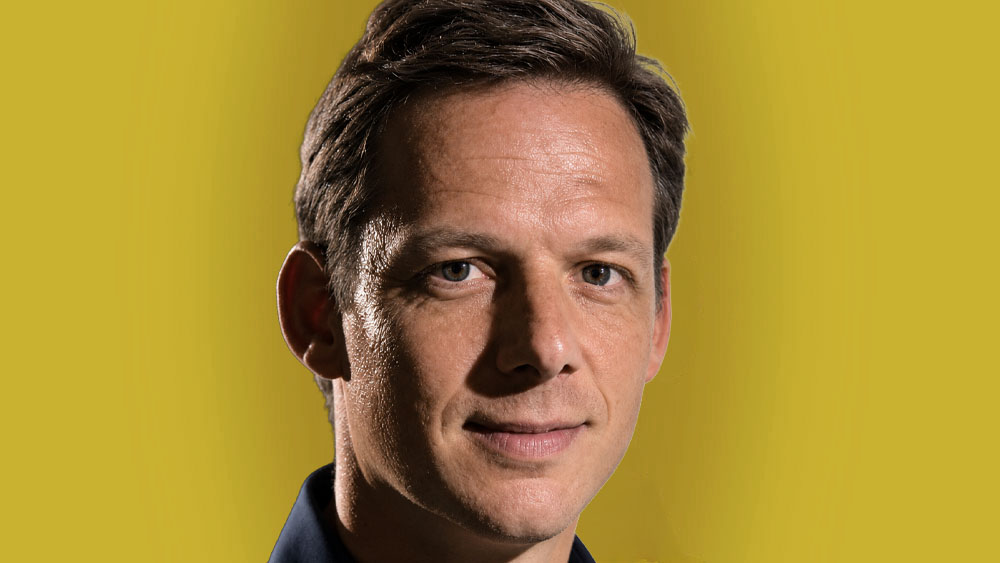
We’re scaling the technology much faster than we can scale the biology, argues Sylvain Rottier.
When we built our own software, we had a lot of AI support. I must be honest: It helped us tremendously. But there always comes a moment where you ask: Who still understands what we’re really doing? What is it really doing? Getting there took some time. Looking back, building that understanding block by block is probably better than trying to understand it afterward.
It’s a lesson we see over and over. You build things, and first you need to really check the results, with a critical mind. Otherwise, you won’t even see that something is off. And when you confront the team with what’s off, you see that they didn’t really understand what they built.
When we work with AI, we feel really fast, because we produce a lot of output. But how quickly do we really understand? Jan Bosch put it very well in Bits&Chips on 9 November: “A chain of custody tells you a thing was handled correctly; it can’t tell you what the thing means.” You see it in every engineering team. The code passed review, the tests are green, the spec is signed off. All handled correctly. But who in the team can actually explain what it means?
And we can’t trust our own feeling of speed. We know this from a trial by METR in 2025, with experienced open-source developers. They expected AI to make them 24 percent faster. They were 19 percent slower. And the funny thing is, afterward they still believed they had been 20 percent faster. METR did it again in 2026, and today’s tools likely do help. But what people tell you about their own speed is still not reliable. AI really goes faster and gives you more. Our mind can’t go as fast.
For a team lead, this is where it really bites. We’re knowledge workers: In the end, there’s always a knowledge product, often a document. That document used to be a measure of what you understood and what you achieved. Now, you can very easily show a lot of work, because AI can do it. What you see in teams is that they’re digesting a lot of output, reading a lot, trying to cope with everything that’s being created. But they don’t ask themselves the questions. The time runs out before anyone has spent it on understanding. In the end, it’s understanding that carries the work.
The work itself is changing. We always say routine is what we don’t like. It turns out routine isn’t so bad; that’s when the cognitive effort is lower, a comfort zone. Where we add value now is monitoring, and monitoring is critical: You need to be really concentrated and really understand. It’s a much higher cognitive effort than doing, and much less comfortable.
So, ask. Before I believe something, I always ask people to explain it, and then to say it again in their own words, in simple layman’s terms. A good question is: What needs to be true to be able to say this? Then: How do you know those things are true? And just ask it straight: What would someone who disagrees with you argue? That gives you the depth of weighing the arguments.
I think there are three behaviors behind these questions, and you can train all three. Framing is the direction of your thinking. What’s the outcome? From which angle do you look? What are the boundaries? If you didn’t frame it well, even the summary makes choices for you. Attention control is making sure your thinking has the resources to do it. So, you protect the time to check and understand, and you ask yourself: Do I need the output or the understanding? And deep learning is investing. You build the understanding block by block, until you can still explain it when the document is closed.
The question for every team lead is: What are the questions you’re going to ask to become more effective with the output? The one thing to remember is: Who understands what? That’s the key.