ASML won a reprieve in Washington as US political infighting over the war with Iran has stalled legislation that could have further restricted the Dutch lithography giant’s movement in China. The proposed Multilateral Alignment of Technology Controls on Hardware (Match) Act was attached to the annual National Defense Authorization Act (NDAA), but that bill failed to advance on 14 July after Senate Democrats blocked it. Besides disagreements over spending levels, Democrats argued that passing the NDAA would effectively endorse funding for the Trump administration’s military campaign against Iran, for which it hadn’t sought the approval of Congress.
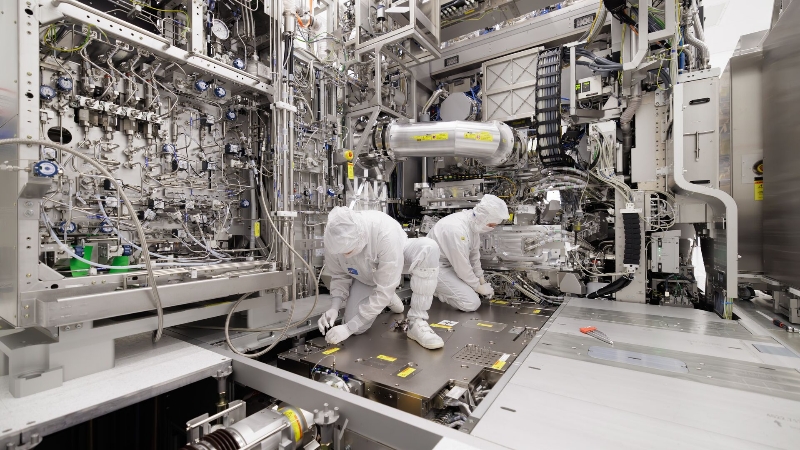
The Match Act would require the Netherlands and other US allies to adopt US-equivalent export controls within 150 days of becoming law. If they refuse, Washington could invoke the Foreign Direct Product Rule to block ASML from shipping DUV immersion scanners to China and prohibit the company from servicing installed systems at major Chinese chipmakers including SMIC, Huawei, Hua Hong, CXMT and YMTC.
The Dutch government has consistently rejected the idea that its export control policy should be dictated by unilateral US legislation, even while gradually tightening restrictions since 2019.