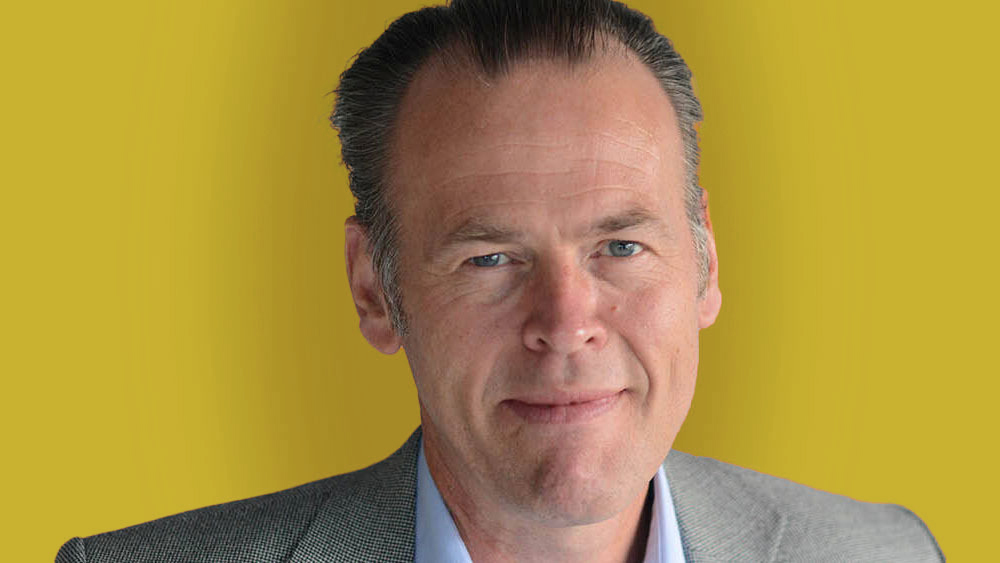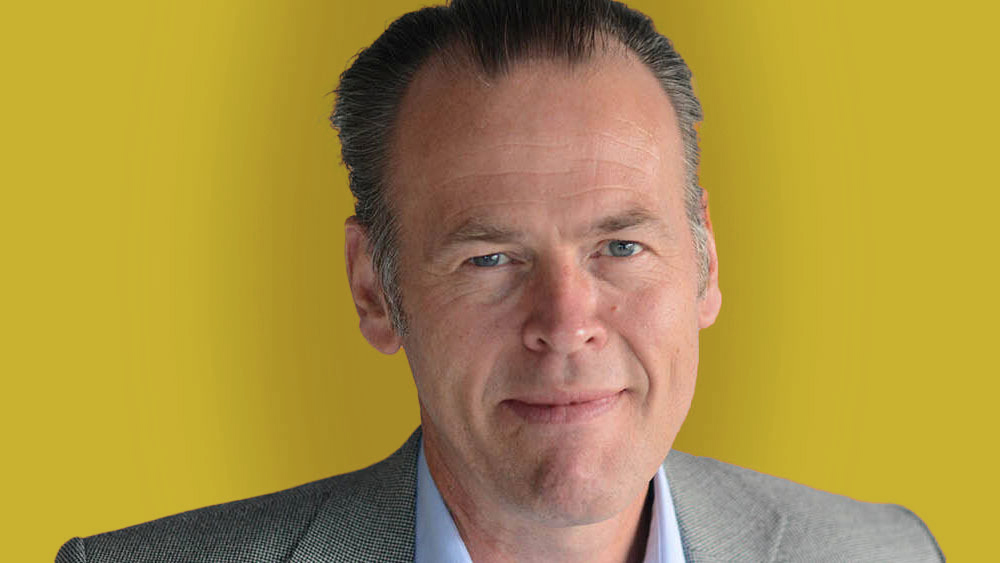
Jan Bosch sees a new set of tools emerging that allows us to take things to the next level in medicine.
In his book “Outlive”, Peter Atia outlines the history of medicine. According to him, we’re currently in medicine 2.0, which is concerned with addressing many of the diseases that put children and adults in an early grave. Typically, these are infectious diseases such as polio and smallpox and more recently HIV, AIDS and Hepatitis C. Between antibiotics and antiviral drugs, medicine 2.0 has been transformational for humankind.
However, when it comes to what Peter Atia calls the four horsemen, ie cancer, heart disease, diabetes and neurodegenerative diseases, the progress of medicine 2.0 has been much less promising. Most people will die of one of these and to avoid or at least delay the onset, we need another framework. These diseases aren’t just popping out of the woodwork but generally take decades to build up. So, the approach has to be one of prevention and very early monitoring to ensure that the risk factors don’t materialize, and generally making lifestyle changes long before the issue at hand becomes an actual disease.
In addition to the upcoming transition from treating illnesses to preventive healthcare, several other approaches will have a huge positive impact on humankind. These include new medications focusing on prevention of diseases, gene-editing technologies and, of course, the use of AI.
First, there’s a constant flood of new medications coming to market, but the ones that really focus on prevention are, in my view, the most interesting. One specific recent example is semaglutide. Although initially developed as an anti-obesity drug, it turns out that it lowers the risk of Alzheimer’s disease by 40-70 percent, reduces the risk of diabetes and decreases cardiovascular disease. Among others! It seems to be a miracle drug where one of the core issues seems to be reduced appetite, resulting in lower food intake, which has all kinds of known and acknowledged health benefits. This is just one example of many more to come.
Second, gene-editing technologies are increasingly used to treat illnesses of various kinds and are an important part of personalized medicine. The first treatments using gene-editing have been approved in recent years and I expect an explosion of treatments in the coming decade. It will be so awesome for patients to receive a highly focused, low-intrusion treatment instead of having to undergo some of the sledgehammer approaches like radiation or chemotherapy that often have significant permanent side effects even after successful treatment.
Gene-editing technologies aren’t just used in treating human diseases but also have a wide variety of other purposes ranging from yeasts that consume plastics to animals that are specifically bred to provide organ transplantation purposes. Finally, in agriculture, for all the fears around genetically modified foods, we need new types of crops that can grow and thrive even in areas where climate change has a significant impact.
Third, the role of artificial intelligence in this area will be enormous. Imagine an AI health assistant that knows all the research, has been trained on every treatment on any human in the world and is monitoring and nudging us continuously to help us live our best lives possible. Some people may be put off by this, but it’s a natural progression from stepping on a scale, using a smartwatch to monitor our sleep and exercise as well as using a personal trainer to make changes in our lives.
The end game, in my view, is one where the life expectancy of humans is extended way beyond what we’re seeing today. Most research assumes that humans can live up to around 120 if we’re not taken out by one of the four horsemen before that. However, with proper and continuous treatment to address and counter the effects of aging, I don’t see why human life expectancy wouldn’t extend far beyond that.
Of course, the societal implications of these trends will be significant, but this has also been the case for all earlier technologies introduced into the world. As the saying goes, history doesn’t repeat itself, but it rhymes. Imagine the enormous reduction in human suffering when people aren’t ripped out of the fabric of reality by diseases that will be easily curable in a few years or a decade. Before medicine 2.0, many children didn’t live to be 5 years old and many parents died early of diseases that we can easily treat today, leaving their children to be orphans and, hopefully, taken in by godparents or other family members. We have a new set of emerging tools that allows us to take things to the next level. There are many reasons why I’m a techno-optimist, but the increasing ability to avoid and cure diseases is a key justification for me.
In this context, I can’t help but quote Peter Thiel: “Your mind is software. Program it. Your body is a shell. Change it. Death is a disease. Cure it. Extinction is approaching. Fight it.” Imagine a life where we decide how long we’ll live instead of being subjected to our biological nature. What would you use all that time and opportunity for?