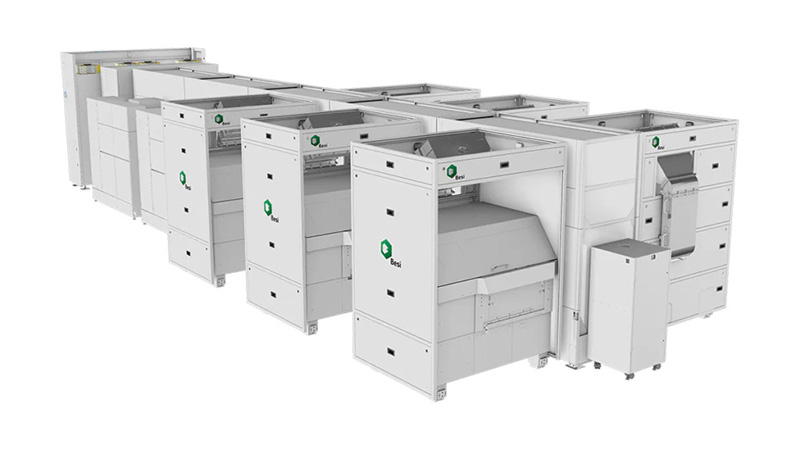
Lack of semiconductor equipment, particularly for DUV lithography, is starting to weigh on foundry capacity growth, according to Trendforce. Lead times, which were already inflated due to pandemic-related restrictions, are extending due to the Russian-Ukrainian war, logistic gridlock and insufficient production capacity of industrial control chips. Before the pandemic, lead times were 3-6 months. They’ll rise to 18-30 months.
As a result, reports Trendforce, production of semiconductor equipment will begin feeling the impact of raw material and chip shortages by 2022 and even more in 2023. This, in turn, will impact the annual growth rate of foundry manufacturing capacity. It’s expected to slow to 8 percent in 2023, down 2 percent points from previous expectations, according to Trendforce.
It’s not just lack of semiconductor equipment weighing on foundry capacity expansions. The Russian-Ukrainian war and rising inflation have affected the acquisition of various raw materials, as well as the continuing impact of the pandemic on manpower, both of which have led to delays in semiconductor fab construction.