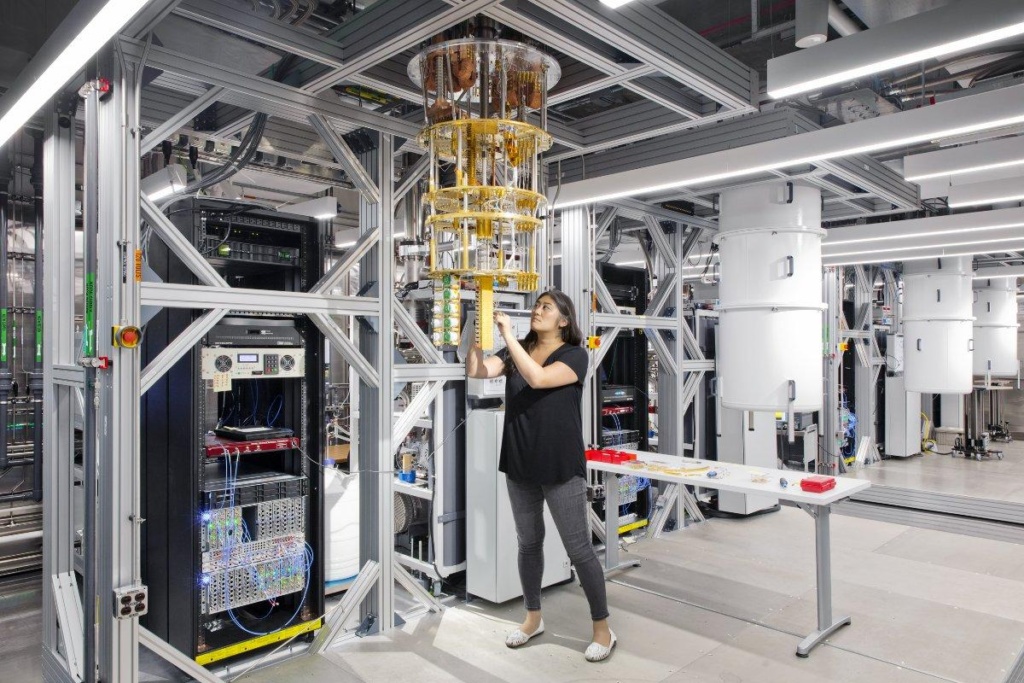
Dutch auditors point to 2030 as a possible breaking point for current cryptographic methods. Is that realistic or alarmist?
The Netherlands Court of Audit (NCOA) has warned that the Dutch government must accelerate its preparations for the arrival of quantum computers capable of breaking current encryption methods. The press release referred to 2030 as a possible year in which such machines could become powerful enough to pose a threat to widely used cryptographic systems. Where does this year come from, and how firm is the underlying estimate?
The moment when a quantum computer becomes cryptographically relevant is referred to as Q-Day. In practical terms, this means a machine capable of running Shor’s algorithm at sufficient scale to factor large integers or solve discrete logarithm problems within a reasonable timeframe. If the threshold is crossed, widely deployed public-key systems such as RSA and elliptic curve cryptography would no longer provide security against a well-resourced adversary with access to such a device.