Augmented engineering will bring a paradigm shift in the traditional working methods of engineers, who will need to unlearn the familiar and stimulate innovative thinking.
The incredible pace at which the world is transforming is leading to an increasing reliance on engineering. In this fluid environment, organizations and business leaders need to invest in emerging technologies to drive innovation and stay relevant. The evolving market expectations create an exploding amount of work for engineers. To add to the woes, there’s an urgent need to build long-term knowledge transfer plans to address the talent shortage in the industry.
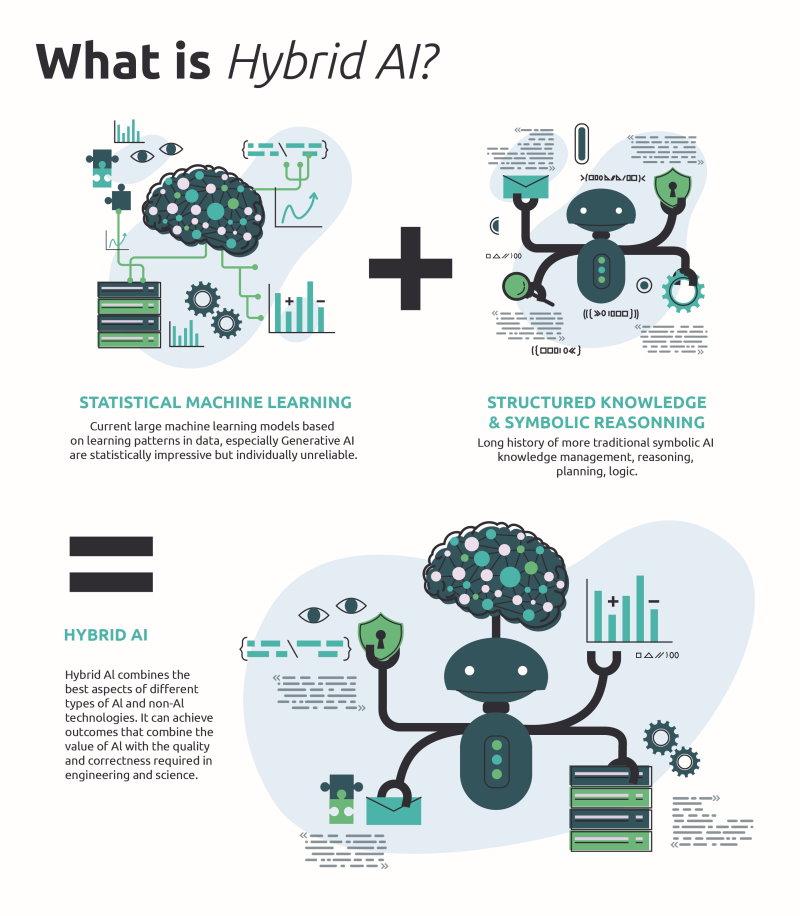
Enter generative artificial intelligence (gen AI). With its ability to generate text, images and codes, unimaginable possibilities seem achievable, and organizations are rushing in to invest in gen AI. This trend is problematic, however, since the results generated might look statistically impressive but are individually unreliable. The solution to this lies in augmented engineering.
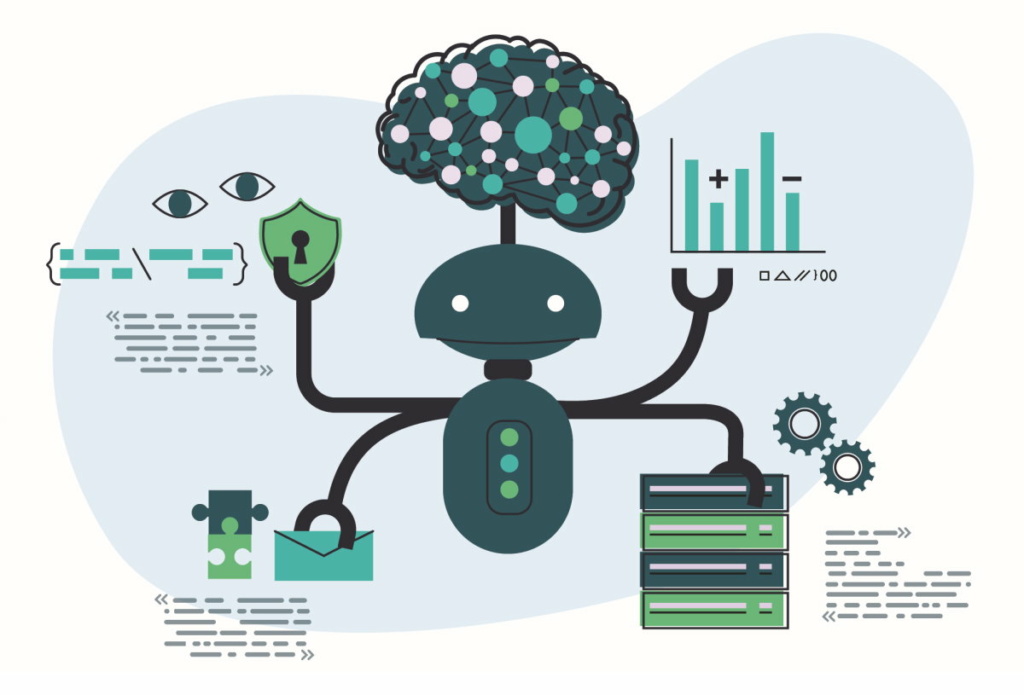
Augmented engineering moves beyond gen AI by putting so-called hybrid AI at its heart. Hybrid AI combines gen AI with traditional AI models, like structured knowledge and symbolic reasoning. With it, we can build facilities that create an environment of assistance for the engineers. This environment will be able to take care of the huge volumes of manual engineering tasks to create meaningful and precise assistance. Ultimately, it enables engineers to build new products, services or capabilities without compromising on the accuracy of the results.
Leveraging past, present and future
Making use of large language models (LLMs), gen AI has inherent limitations as it scales up by getting larger. This not only incurs a huge carbon cost but also increases the probability of errors and “hallucinations” (or false positives) in the responses. Many players in the market are already exploring the possibilities of investing in nuclear power to maintain the high energy costs of growing LLMs.
Augmented engineering, on the other hand, uses an alternative method – it creates small models with specific dedicated focused tasks that generate more precise and accurate results. Instead of expanding the language model to scale up, it combines several of these small models with a higher accuracy rate and improved engineering capabilities, adding speed, efficacy and accuracy to the mix. This ultimately improves the computation power of any device, reduces waste and lowers carbon footprint in the long run.
Augmented engineering creates value across the entire lifecycle, past, present and future. In the form of past data, organizations have a huge body of structured and unstructured knowledge that might not always be easily accessible. With the right prompts, hybrid AI can retrieve this data from various sources and different formats to present it in an accessible manner to the engineers. Through automation and quality regulatory assistance, it can drive efficiency that ultimately dramatically speeds up tedious day-to-day tasks in the present.
The real value lies in how augmented engineering can redefine the future. An organization becomes a differentiator when it harnesses its core value. If an engineer has the right kind of imagination and innovative bent of mind, it will be possible to leverage augmented engineering to identify and harness this core value. This isn’t a simple one-step process and could take several attempts through various iterations to arrive at the right prompt, but it will create a roadmap for organizations to future-proof themselves through innovation.
Initially, we expect to see most of the investments in training, learning and development modules for engineers. The market is currently overwhelmed with a shortage of talent. To make matters worse, a major chunk of engineers will retire within the next decade. Onboarding the next generation of engineering talent and bringing them up to speed will put a huge strain on the current, already stretched, workforce. Interestingly, once the training modules and the knowledge database are fed into the models, these will be able to access the whole database from a range of sources in different formats and generate suitable training and onboarding modules as per the need. This crucial role that augmented engineering can play in knowledge transfer will eventually free up a chunk of time, energy and cost, allowing engineers to focus on the core engineering challenges.
Fueling creativity
Augmented engineering will bring a paradigm shift in the traditional working methods of engineers, who will need to unlearn the familiar and stimulate innovative thinking. They’ll also have to develop the ability to come up with the correct prompts, which will take time, effort and patience. It’s important to bear in mind that this will be an ongoing process with multiple iterations.
We have only just begun our journey of leveraging the full power of hybrid AI. The market is already seeing many engineers, early adopters of augmented engineering, fuel their creativity to arrive at engineering questions that were never thought of before. So, be relevant, throw your biases out of the window, and start experimenting. Let augmented engineering automate and generate, while you innovate and create.