NXP’s quarterly automotive revenue exceeded 2 billion dollars for the first time in the third quarter, growing 17 percent year-on-year when excluding its divested sensor business. The increase came despite broadly flat vehicle production, reflecting the growing value of the Dutch chipmaker’s chips in each car. Its software-defined vehicle portfolio is now generating more than 1.5 billion dollars in annualized revenue, keeping the company on track for its 2-billion-dollar target in 2027.
The shift toward zonal and centralized computing architectures could double or triple NXP’s chip content per vehicle, CEO Rafael Sotomayor said on an earnings call with analysts. These architectures consolidate functions previously spread across numerous dedicated controllers, creating demand for more powerful processors alongside networking and power management chips. RV Tech, Volkswagen and Rivian’s joint venture, has recently standardized its zonal platform on NXP’s S32K5 processors for both carmakers.
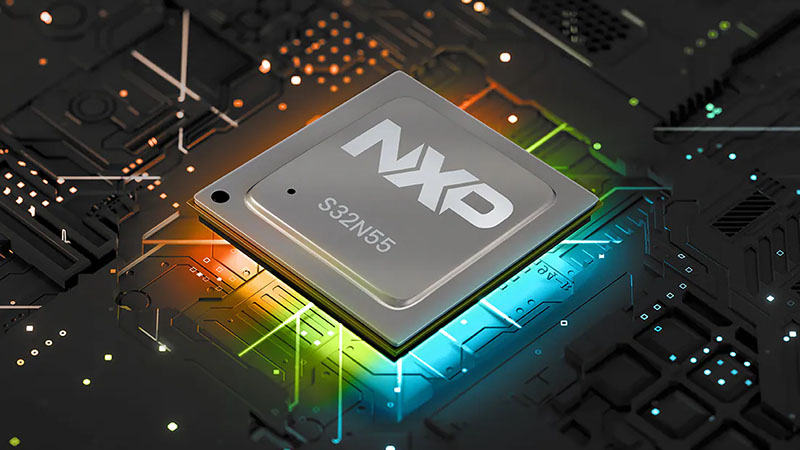
NXP expects its first S32K5 shipments in China as early as the first quarter of 2027, with initial production ramps for its S32N central computing platform likely late that year. Both platforms are expected to reach full-volume ramps in 2028. Electrification is also contributing to automotive growth as demand for NXP’s products recovers from last year’s inventory correction.
Total third-quarter revenue rose 19 percent to 3.79 billion dollars. NXP expects fourth-quarter revenue of approximately 3.85 billion dollars, with automotive sales growing by a high-teens percentage year-on-year when adjusted for the sensor divestment.