
Industrial policy should mirror the AI-driven shift toward system-level architectures, TNO argues.
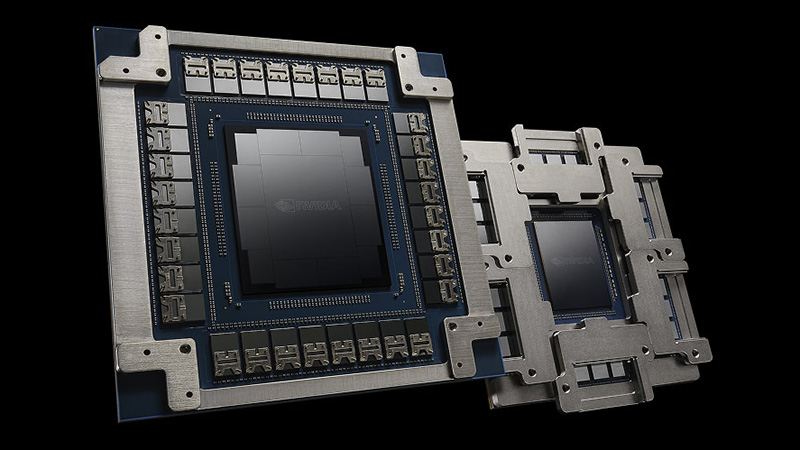
AI is fundamentally changing where value is created in the semiconductor industry. As computing bottlenecks move beyond the chip itself, Europe has an opportunity to build globally indispensable positions in advanced packaging, integrated photonics and system integration, TNO argues in a vision paper entitled “Beyond PCB and chips – The invisible revolution in electronics and the opportunities for Europe.”
The invisible revolution refers to how AI workloads are exposing the limits of traditional chip and printed circuit board architectures. For AI workloads, moving data has become a bigger challenge than processing it. AI training requires enormous bandwidth between processors and memory, while AI inference increasingly demands low-latency integration close to sensors and edge processors. Copper interconnects, PCB traces and even monolithic chips are struggling to keep pace with these requirements, forcing the industry to rethink systems architecture.
As a result, the focus is shifting from transistors and chips toward highly integrated systems in which packaging, photonics and heterogeneous integration become the primary determinants of performance, energy efficiency and cost.
Time is short
TNO believes this could work out in Europe’s favor. Rather than trying to replicate Asia’s high-volume semiconductor manufacturing, the continent should focus on technologies where it already has strong research and industrial capabilities, including integrated photonics, advanced packaging equipment and hybrid integration. These integration layers, the paper argues, could become future “control points” in global value chains, giving Europe leverage without requiring dominance in leading-edge chip fabrication.
The Netherlands is highlighted as particularly well positioned because of existing ecosystems in Eindhoven, Arnhem-Nijmegen and Twente. These clusters combine expertise in photonics, semiconductor equipment, packaging technologies and applied research.
TNO warns that the window of opportunity is narrow, however. Between 2026 and 2028, AI infrastructure is expected to accelerate adoption of advanced packaging and photonic integration as hyperscale data centers hit the limits of existing architectures. As these technologies mature, companies controlling system integration rather than individual components are likely to capture a growing share of value.
To avoid missing that shift, the institute calls for a move from chip-centric to system-centric industrial policy. It recommends concentrating investment on system integration roadmaps, creating European lead markets through defense and AI infrastructure, expanding pilot manufacturing into industrial-scale facilities and developing open-access manufacturing infrastructure that lowers barriers for ecosystem partners.