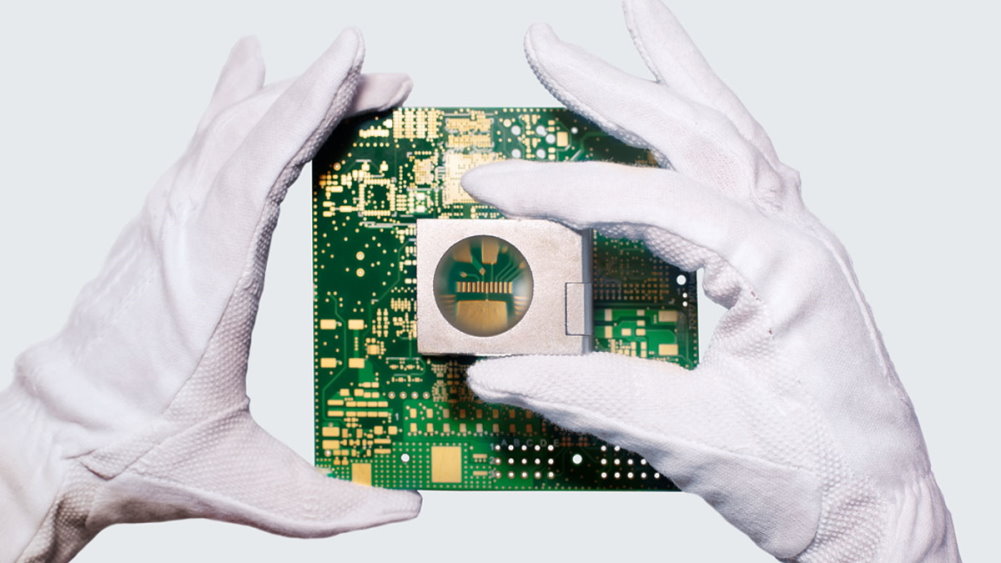
All providers are about to introduce their 5G infrastructure. This super-fast network opens up a wealth of new possibilities, which all need electronic device support. More and more, NCAB’s James Wenzel sees electronic assemblies being built into applications that were never connected before.
When the world wide web was introduced in the early nineties, the only device connected was a single personal computer. It took ten years before a couple of billion PCs were talking to each other over the internet. Still, communication and data entry were wholly dependent on human beings. It took another ten years before the Internet of Things (IoT) evolved into a system using multiple technologies, ranging from the internet to wireless communication and from microelectromechanical systems to embedded systems.
The traditional fields of automation, wireless sensor networks, GPS, control systems and others all support the IoT. A key improvement was the switch to IPv6 as the address limitations of previous internet protocols would have certainly blocked development. With IPv6, an almost unlimited amount of devices can be connected without any interference in the machine-to-machine communication. The “smart device” was born and it became quickly and quietly an important tool in our social and business environment.