The European Union is preparing a revamped Chips Act that would allow the European Commission to invest directly in cross-border projects, marking a significant shift from its current role as coordinator and state-aid approver. The new version of the act also aims to increase development of tech crucial for chipmaking, including machinery, materials and circuit boards, Bloomberg has learned.
The draft proposal, expected in late May, aims to accelerate stalled projects and simplify funding structures that have so far slowed Europe’s semiconductor ambitions. By enabling direct grants into large cross-border projects, Brussels hopes to make multi-country fab initiatives more feasible and predictable for industry players.

The overhaul follows mounting criticism of the original 2022 Chips Act, which has struggled to deliver on its headline goal of doubling Europe’s global chip production share to 20 percent by 2030. The European Court of Auditors warned that the bloc is more likely to reach around 12 percent, citing delays and cancellations of major fab projects. A more interventionist approach, including direct equity or grant participation, is now seen as necessary to close the gap with the US and Asia.
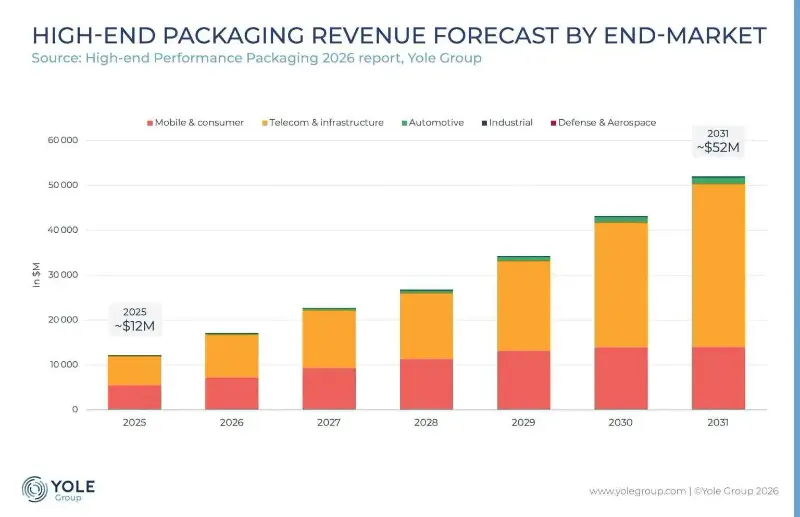
Chips Act II will also prioritize upstream technologies such as semiconductor equipment, materials and advanced packaging, broadening its scope beyond front-end manufacturing. While public-private partnerships remain central, the Commission’s expanded financial role could reduce reliance on fragmented national subsidies and cut through administrative bottlenecks that companies say have added years to project timelines.