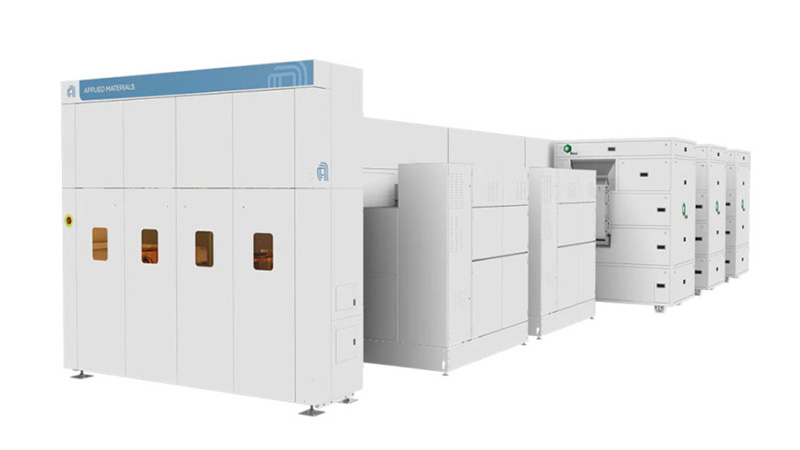
Whoever masters the third dimension will shape the future of semiconductors. Korea’s semiconductor ecosystem appears determined not to leave that capability in foreign hands. Four domestic equipment initiatives are now competing to develop hybrid bonders, each backed by different industrial alliances. Their efforts reveal both the strategic importance of the technology and the growing determination to reduce reliance on the Dutch equipment supplier Besi.
Hybrid bonding is a strategic technology for advanced chip packaging. It directly bonds dielectric surfaces and copper interconnects, eliminating the need for traditional solder balls (microbumps). This allows chips to be stacked much more densely. Direct copper-to-copper contacts shorten signal paths and reduce electrical resistance, resulting in higher data speeds and lower energy consumption. At the same time, systems become more compact.
In short, hybrid bonding is widely seen as the key enabling technology for future generations of high-bandwidth memory (HBM) and other advanced silicon systems. The real question is when this future will arrive, as bringing hybrid bonding into high-volume production remains technically challenging. Korean equipment makers are therefore pursuing markedly different approaches.