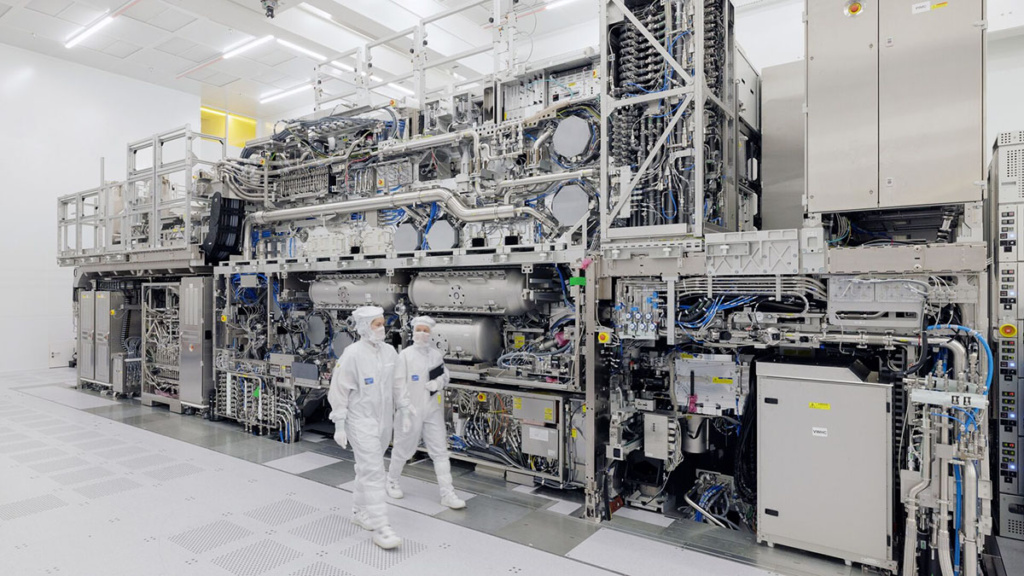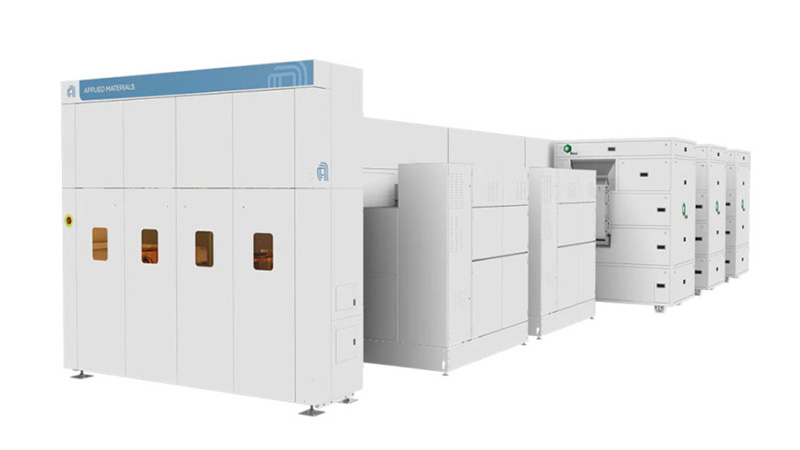
Intel has completed acceptance testing for the Twinscan EXE:5200B, ASML’s production-worthy high-NA EUV scanner. This marks a key milestone in bringing the next generation of EUV lithography into future high-volume manufacturing. If all goes according to plan, this will happen in 2027, when Intel starts risk production of 14A chips.
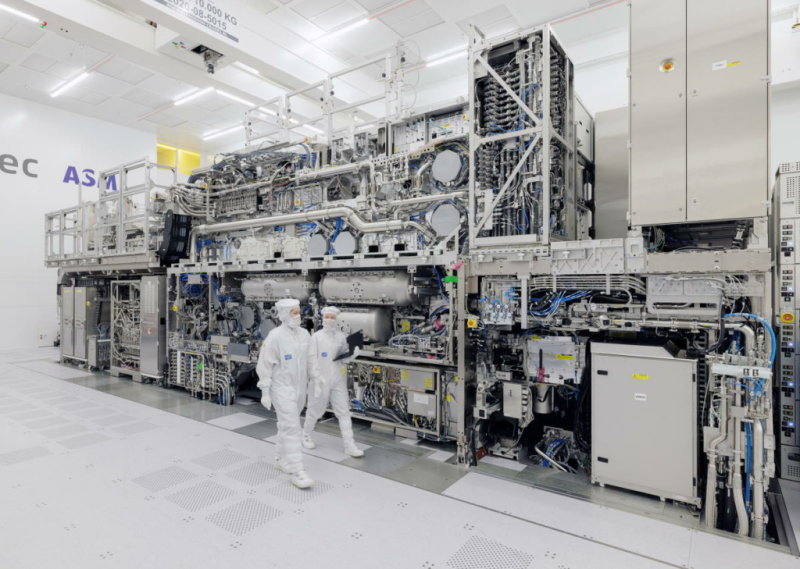
Acceptance testing is a formal evaluation process where the customer verifies that a newly delivered tool meets contractual specifications for performance, accuracy and throughput under fab-like conditions. For the EXE:5200B, that includes achieving 175 wafers per hour and 0.7 nanometer overlay accuracy – critical metrics for enabling next-generation chip scaling.
Intel was the first chipmaker to take delivery of ASML’s EXE:5000 high-NA development tool. That was last year. Memory manufacturer SK Hynix was the first to start installation of the EXE:5200B.