
After years of political drift, Peter Wennink’s call for an industrial revival sounds like music to high-tech ears. But how far can a growth strategy go when every necessary reform instantly runs aground in resistance, political theater and bureaucratic inertia?
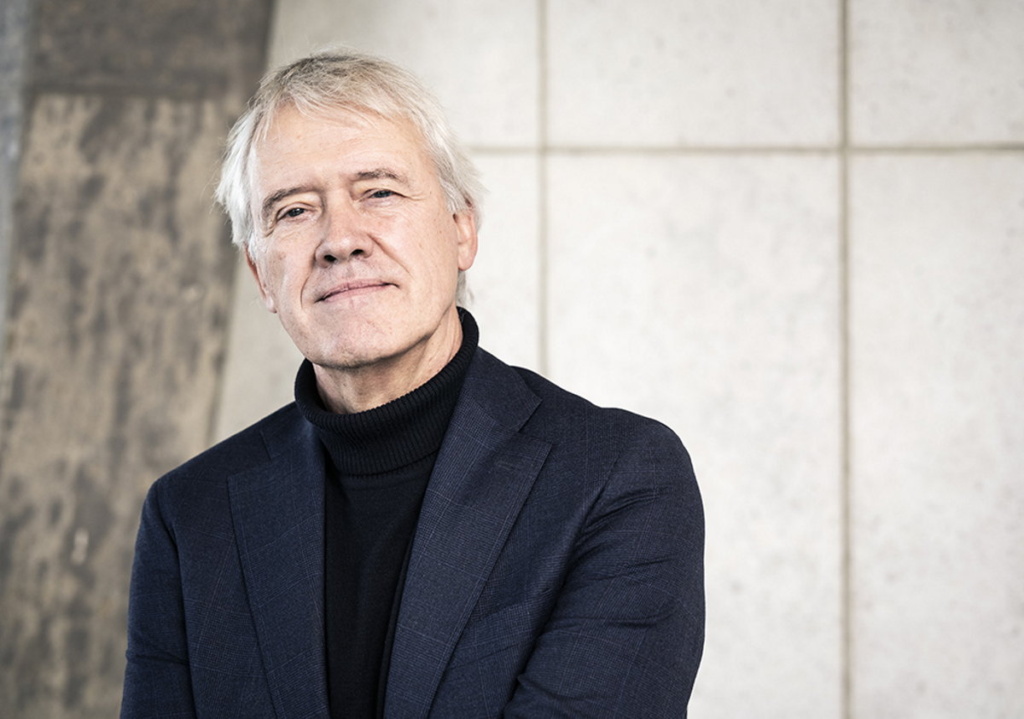
Former ASML chief Peter Wennink wants industry to propel the Dutch economy forward and preserve the country’s standard of living. It’s a message that resonates, especially in the tech sector. After years of neglect, it’s a welcome change to see industry and innovation take center stage. The previous government cut education, raided the National Growth Fund and allowed a farmers’ party to paralyze the country over nitrogen emissions. Additional damage was avoided in the nick of time, also thanks in part to Wennink’s involvement.
Predictable criticism aside (we’re still waiting for the liberal arts backlash about STEM favoritism), Wennink’s report appears to land well. His central thesis that the Netherlands needs a large-scale reorganization and an aggressive investment agenda is shared across the political spectrum. The frontrunners to form the next cabinet, Rob Jetten and Henri Bontenbal, already hinted at it in their coalition memo.
And yet, I worry. To make room for growth, entrenched interests will have to step aside. Literally freeing up space for enterprise, faster permitting, a retreat from unproductive activities and social security reforms – in a country that has hit its limits, you have to give something up to gain anything new.
Wennink is the first to acknowledge this. “Yes, this will be painful and will test our tolerance for discomfort,” he said in a recent interview. My question is this: Are we still a country willing to endure short-term pain for long-term gain – especially when the urgency doesn’t feel immediate?
It’s always been hard for politicians to impose short-term pain for benefits that only appear after the next election. In today’s fragmented and emotionally charged political climate, it’s become even harder. We’ve seen difficult decisions getting pushed down the road for years now.
You can already picture the tear-jerking news segments and outraged talk show panels: the farmer who must shutter his farm near a protected nature reserve; the cherished landscape slated for development (“public consultation was a joke!”); peripheral provinces that feel left behind.
These aren’t trivial concerns; they’re real and deeply felt. But we can no longer allow ourselves to be held hostage by them. Can we still disentangle ourselves from this paralysis?
In today’s feedback loop between politics and (social) media, there’s always a frame or populist ready to throw sand in the gears. The politician who talks frankly about reallocating scarce resources loses to the demagogue who promises never to touch the interests of ‘the common man’ (until the cameras are off). The brave official who persists receives a powder letter in the mail or tractors on their lawn.
Maybe I’m too pessimistic. I hope so. But those who’ve been watching the coalition talks will agree that even after years of stagnation, not all political parties put the national interest ahead of their own.
Top image credit: Rapport Wennink